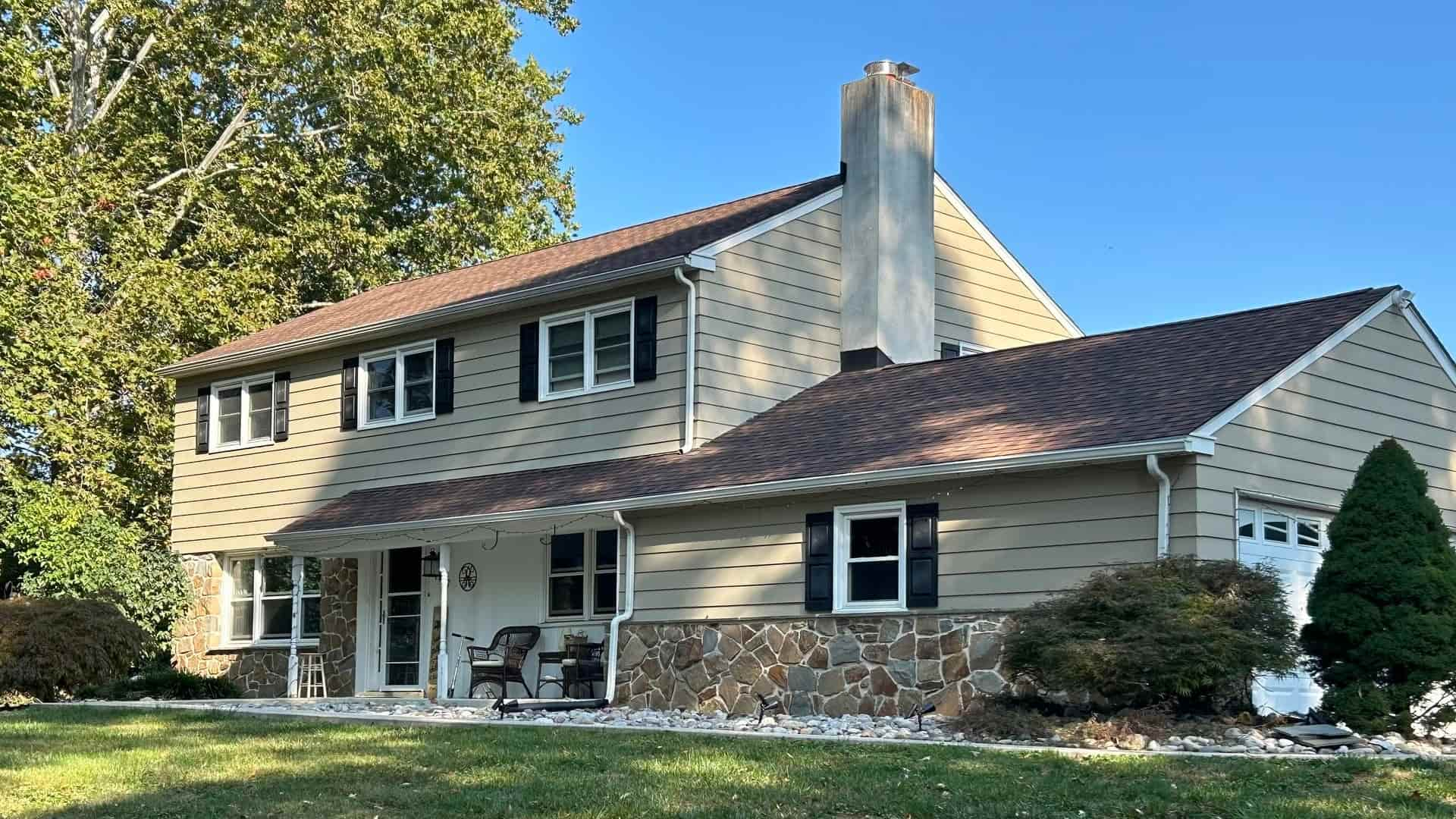
Gutter Guard Installation for Homes Surrounded by Trees: How Protection Helps Keep Gutters Clear
When your roof is shaded by oaks, pines, or maples, keeping gutters open is a constant chore. Gutter guard installation gives your home a first line of defense against leaves, needles, and seed pods so rainwater can move away from your foundation. Done right, it reduces clogs, cuts overflow, and helps protect soffits, fascia, and landscaping from water damage.
Why Tree-Covered Homes Need Gutter Guards
Tree canopies are beautiful, but they shed something almost every season. In spring, you get pollen strings and seed helicopters. In summer and fall, you see leaves and twigs. Pine needles drop year-round. All of this collects in open troughs and creates blockages that trap water and roof granules. Standing water can warp gutters, stain siding, and invite pests.
Gutter guards act like a filter at the top of the system. Instead of scooping heavy, wet debris every few weeks, you let gravity and wind do the work while water slides through. That means fewer surprises during storms and less time on a ladder.
How Gutter Guards Keep Gutters Clear
Most modern guards use surface tension, fine screening, or shaped openings to separate water from debris. The goal is simple: let water in and keep everything else out. Micro-mesh systems use a stainless steel screen with openings small enough to stop pine needles and grit. Perforated aluminum covers rely on round holes sized to let water enter while leaves blow past. Reverse-curve profiles guide water around a nose so it hugs the metal and drops into the trough.
When a pro evaluates your home, they check roof pitch, valley layout, and downspout placement. These details affect how fast water moves and where debris piles up. The right guard paired with tuned downspouts helps manage heavy bursts of rain without overshooting the gutter edge.
Types Of Gutter Guards And What Fits Tree-Heavy Lots
There is no one-size-fits-all answer. The best choice depends on the mix of trees around your home and the way your roof sheds water.
- Micro-mesh stainless steel: Great for mixed debris like pine needles, pollen, seed pods, and roof grit. Works well in heavy rain when paired with a rigid frame.
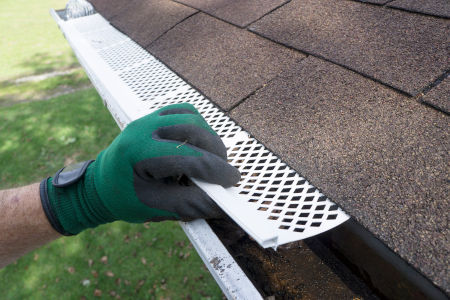
- Perforated aluminum covers: Good balance of cost, strength, and performance for broadleaf trees. Easy to maintain since leaves tend to blow away.
- Reverse-curve helmets: Effective for larger debris. Requires correct pitch and precise fit to avoid water overshooting in very heavy downpours.
- Foam and brush inserts: Simple concept but often trap fine material, which can slow water and support growth. Many homeowners upgrade from these to a full cover or mesh.
Micro-mesh is often the most reliable option for homes with a mix of oaks, pines, and maples because it blocks even fine needles and grit while still moving water efficiently.
Installation Matters: Fit, Slope, And Water Flow
Product choice is important, but installation quality is what makes a system last. A trained technician will confirm the guards sit flush with the roof edge, tie into hangers that hold weight in snow or heavy rain, and align with the front lip so water enters the gutter instead of skipping over it. Where two roof planes meet, they may add diverters or splash guards to calm the flow into the trough.
Fasteners and sealants should match gutter and guard materials to avoid galvanic corrosion. On older homes, pros often adjust hanger spacing and correct pitch so water drains to each downspout without pooling. These small steps are what reduce noise, prevent drips behind the gutter, and keep the system stable through wind and seasonal temperature swings.
Live under mature trees? Plan your gutter guard installation before peak leaf drop so the system is ready for the season. This timing helps prevent the first big clog of fall and reduces emergency cleanouts right after storms.
Maintenance After Installation: What To Expect
Gutter guards do not eliminate maintenance, but they make it simpler and safer. Instead of deep cleanings several times a year, most homes need quick seasonal checkups. That means brushing off stubborn mats of leaves after a major storm and confirming downspouts run free. Many systems are designed so debris dries and blows away with normal wind.
Ask your provider about a care schedule that fits your trees and weather patterns. A light rinse during roof washing or a check during your routine exterior maintenance is usually enough. If your lot has heavy pine cover, plan for an extra visit midwinter to remove wind-driven clusters from certain roof edges.
Seasonal Considerations For Leaf, Pine, And Pollen Drop
Each season brings a different challenge. In spring, catkins and pollen strings can blanket the mesh. In summer, storms break off small twigs. Fall leaf drop is the big event, and winter winds can pack needles into corners. The right system handles all of these with minimal attention, but placement and pitch still matter.
If you see overflow at roof valleys during downpours, ask for a flow check. A pro can add small deflectors or recommend a guard with better water adhesion to control fast-moving sheets of rain. Where snow is common, a low-profile guard that sits tight to the roof can reduce ice hang-ups and keep the edge neat.
Signs You'll Benefit From Gutter Guard Installation
- You clean out heavy leaf piles more than two or three times each fall.
- Pine needles form dense mats over sections of your gutters.
- Water spills over the gutter edge during storms or leaves streaks on siding.
- You notice damp spots at the base of exterior walls or around window sills.
- Downspouts clog even after recent cleanings.
If two or more of these sound familiar, guards will likely reduce clogs and protect your home from water backup. They also cut the risk of climbing ladders repeatedly during bad weather.
What To Look For In A Quality System
Not all guards are built the same. Focus on construction, fit, and support over flashy claims. Look for a rigid frame, surgical-grade micro-mesh or corrosion-resistant aluminum, and a design that integrates with existing gutters and shingles per manufacturer guidelines.
- Durable materials that match your climate and roof type
- Secure attachment to the gutter, not only under shingles
- Proven performance with pine needles and roof grit
- Access for quick inspections and touch-up cleaning
Avoid thin plastics that can warp under summer heat or crack in freezing weather. A stable system that resists UV damage and temperature swings will protect your home for many seasons.
How Pros Evaluate Your Home
A professional visit should include a roof-to-ground review. The tech checks roof pitch and valley angles, measures linear footage, notes tree species and how close branches hang, and studies where wind tends to push debris. Downspout counts and locations matter too. Adding a larger outlet or an extra downspout on a long run can improve flow, especially near big roof valleys.
Expect a clear written scope that lists the guard style, materials, and any adjustments planned for hangers, seams, or outlets. It should also explain how the system handles heavy rain and which maintenance steps are recommended after storms.
Common Myths About Gutter Guards
Some believe guards remove maintenance completely. That is not true. They greatly reduce the volume of debris that reaches the troughs and make upkeep easier, but a quick seasonal check is still smart. Others think all guards are the same. Design and installation quality vary widely. The best results come from pairing the right product to your mix of trees and roof layout.
Another misconception is that more open holes always move more water. If openings are too large, fine debris follows the water into the gutter and clogs downspouts from the inside. That is why many tree-heavy properties succeed with fine micro-mesh or well-sized perforations instead of wide slots.
Protecting Your Home Beyond The Roof Edge
Clear gutters protect more than shingles and fascia. When water stays inside the troughs and flows through downspouts, it gets directed away from the foundation. That helps prevent soil washouts, mulch displacement, and moisture at basement walls. It also protects doors and windows from drip-back that can cause swelling or paint failure.
Think of guards as part of a larger drainage system. Proper grading, splash blocks or extensions, and clean downspouts all work together. A quick inspection after major storms confirms everything still flows as designed.
Safety And Peace Of Mind
Climbing ladders for frequent cleanings is risky. Wet leaves are slick, and wind can shift a ladder in a moment. Professional installation reduces how often you need to be near the roof edge. It also means the system is fitted to your home without disturbing shingles or voiding manufacturer guidance.
If you want to talk through options or schedule a review, reach out to JB Gutters LLC. You can call us at 215-872-7039 to set up a convenient appointment time.
What Homeowners Can Expect After Installation
The first strong storm is a good test. Walk around your home and listen. You should hear steady downspout discharge and see no water skipping the gutter edge. Light debris on top of the guards is normal and usually blows off as it dries. If you spot a small pile that persists in a corner, a quick brush-off from the ground with an extension pole during your regular exterior maintenance is often enough. Your service provider can include these checks during routine visits if you prefer.
Ask for documentation on the product warranty and the workmanship policy. Reputable installers stand behind both the materials and the fit. Keep that info with your home maintenance records.
Choosing A Trusted Installer
Look for a company that specializes in gutters and has strong reviews for guard performance after heavy storms. They should explain why a specific guard suits your roof and trees, and provide photos or references from similar homes. Clear scheduling, tidy work, and a walkthrough at the end are signs you have a pro team.
Ready to keep gutters clear year-round? Schedule professional gutter guard installation with JB Gutters LLC today.
Summary: A Small Upgrade That Protects A Lot
Homes under mature trees face nonstop debris. Gutter guard installation helps your system handle each season with fewer clogs and far less stress. With the right materials, a careful fit, and light seasonal checkups, your gutters can do their job quietly in the background while you enjoy the shade and curb appeal that trees bring to your property.
Call Us
Connect With Us
Leave a Review

Local Gutter Services Throughout Southeastern Pennsylvania
JB Gutters LLC provides reliable gutter services for residential and commercial properties throughout Southeastern Pennsylvania. Our service area includes Lansdale, PA, King of Prussia, PA, and Doylestown, PA, along with surrounding communities. Contact JB Gutters LLC to find out if your property is within our service area and to request a free estimate or consultation.
- Ambler, PA
- Chalfont, PA
- Doylestown, PA
- Horsham, PA
- King of Prussia, PA
- Lansdale, PA
- Montgomeryville, PA
- Norristown, PA
- Perkasie, PA
- Quakertown, PA